Skip to content
We Are The Shield

Our work

Practical, careful help, within clear limits.

This page explains what our volunteers do, who may benefit, and where their role ends. We describe only activities we have confirmed.

The Shield does not replace the police, emergency services, social care or statutory safeguarding bodies.

We support communities and make sure concerns reach those with the responsibility and powers to act.

01

Community presence

What volunteers do
Small, briefed groups of volunteers spend planned time in public spaces, sometimes described as patrols. They are visible, approachable and available to talk, offer directions or reassurance, and notice when someone may need help.
Who may benefit
Residents, visitors, local businesses and anyone who would value a calm point of contact.
How it is organised
Activities are planned in advance, approved by the organisation and carried out only by volunteers approved and briefed for that role.
The limits of the role
Volunteers have no police powers. They do not detain, search, follow or confront people, and they do not film or publicise individuals.
How concerns are escalated
Emergencies go to 999. Other concerns are passed to the police on 101, the relevant council or service, or our safeguarding lead.
02

Safeguarding awareness and reporting

What volunteers do
Volunteers learn to recognise signs that a child or adult may be at risk, to listen without judging, and to record and pass on what they have seen accurately.
Who may benefit
Children and adults who may be at risk, and the families and services working to protect them.

How it is organised
Concerns follow our safeguarding procedures, overseen by our Designated Safeguarding Lead.
The limits of the role
Volunteers do not investigate, question suspects or make accusations. Decisions about protection rest with statutory agencies.
How concerns are escalated
Immediate risk: 999. Otherwise, concerns go to our safeguarding lead and on to the appropriate statutory route.
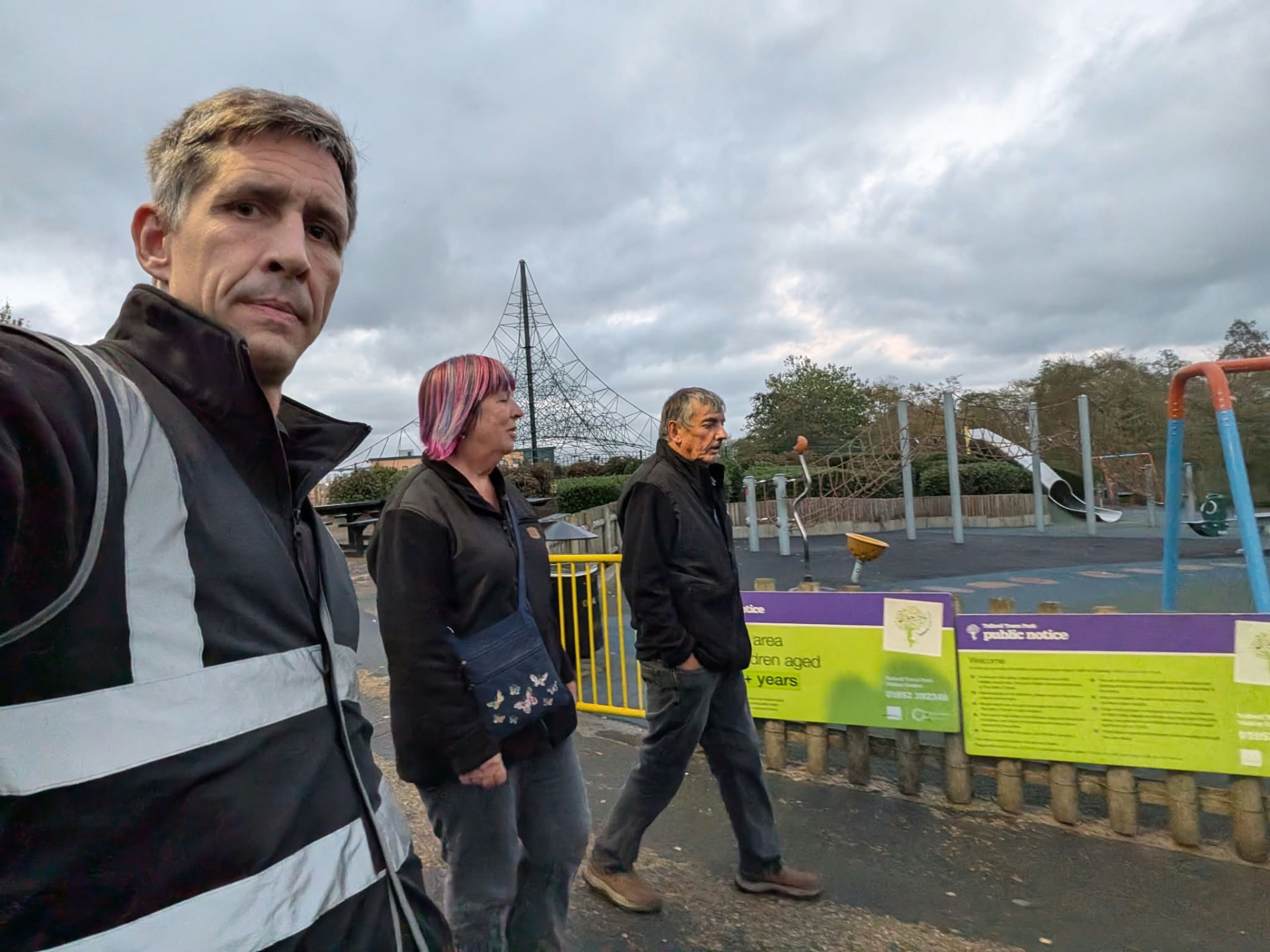
Shield volunteers walking past a children's play area
03

Practical community support

What volunteers do
Organised help with approved activities. This may include supporting authorised missing-person searches when asked to by those leading the search.
Who may benefit
Families, community organisers and the people leading an authorised search.
How it is organised
Volunteers only take part where the activity has been approved, under the direction of the people leading it, and after a briefing.
The limits of the role
We do not run our own searches without authorisation, publish personal details, or advertise response availability.
How concerns are escalated
Any information is passed straight to the people leading the search or to the police.
04

Training and responsible volunteering

What volunteers do
Helping volunteers understand their responsibilities, communicate calmly, look after themselves and others, and work within their role.
Who may benefit
Our volunteers, and everyone they meet.
How it is organised
Training is matched to each role and kept up to date. See Training & Standards for details.
The limits of the role
Training prepares volunteers for their role. It does not give them authority beyond it.
How concerns are escalated
Volunteers report concerns about conduct through our internal procedures. Anyone can raise a concern with us.
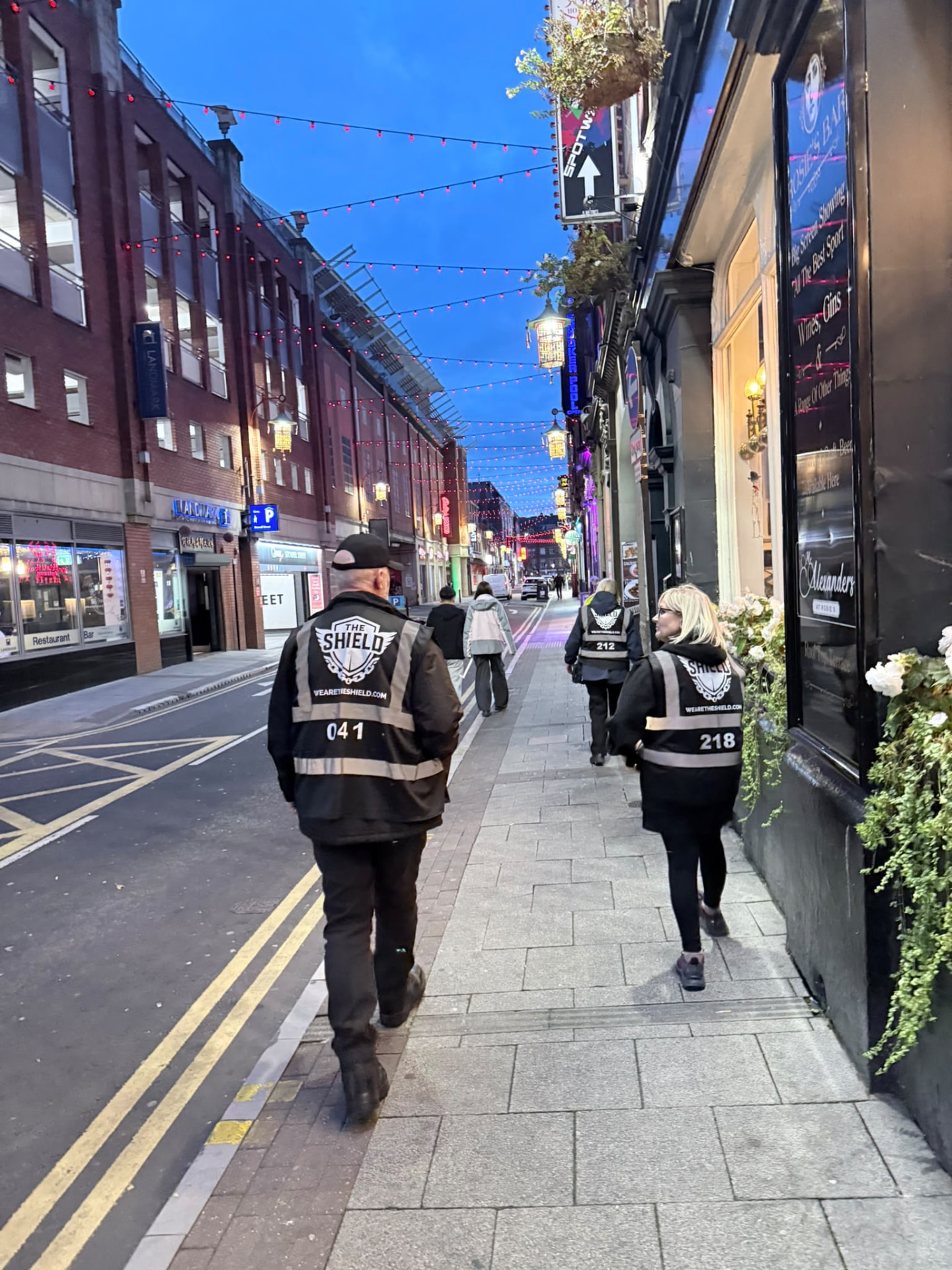
Shield volunteers walking a lit city-centre street

If someone is in immediate danger, call 999. This website is not an emergency service and is not monitored around the clock.

Want to know who is eligible to help? See volunteering roles and requirements.